Source & document review
Cross-check order details, supplier records, packaging labels and part information.
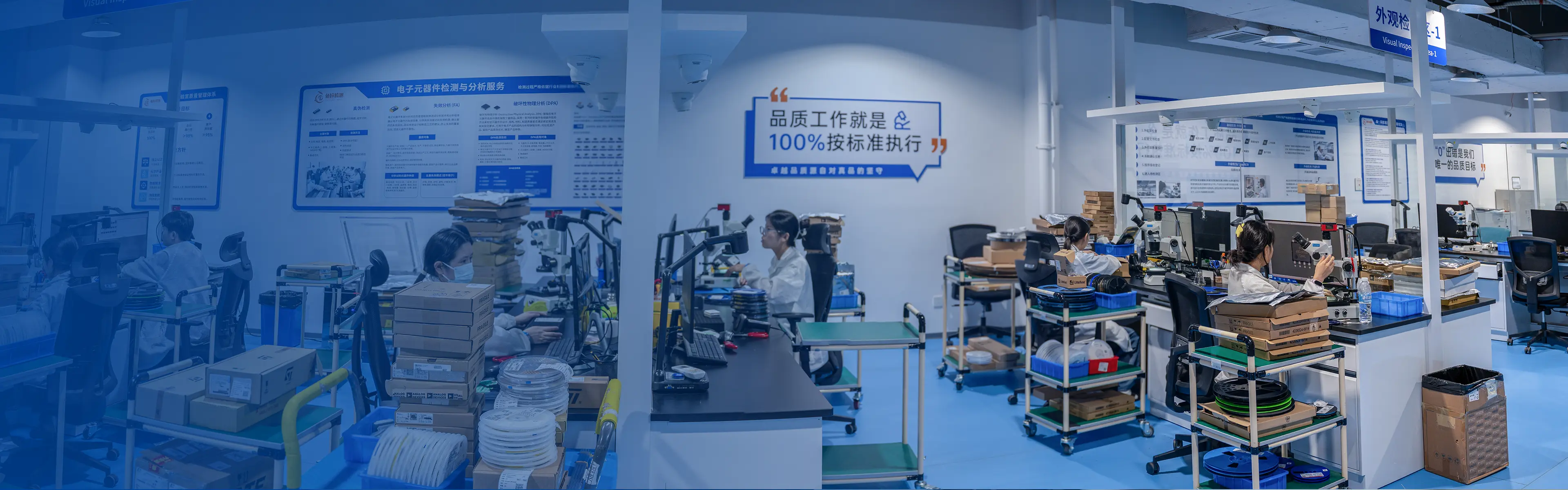
Quality assurance for marketplace orders
A risk-based quality path covering incoming review, risk identification and delivery support. Scope follows order needs, part characteristics and supply risk.
QUALITY PRINCIPLES
Traceable information, risk classification and agreed inspection support clearer delivery decisions.
Cross-check order details, supplier records, packaging labels and part information.
Review packaging, labels, markings, package body, leads and visible anomalies.
Select suitable checks according to part type, source, value and order needs.
Retain agreed records to support release, delivery and after-sales review.
ORDER QUALITY PROCESS
From incoming quick checks to standard inspection, risk escalation and final decisions, inspection depth increases with material risk.
First review order and supplier records, part number, quantity, date code and packaging, then start the baseline check by part type.
Baseline review for incoming goods
After baseline checks, continue with non-destructive or performance verification according to part type and testability.
Items and sampling rate follow order risk
Further inspection is arranged for suspicious findings, higher-risk sources, high-value parts or specific customer requirements.
Destructive items require prior approval
Consolidate agreed inspection records and order data for result communication and next-step handling.
Decision follows the confirmed scope and order requirements
INSPECTION CAPABILITIES
Combine suitable methods from labels and appearance to structure, performance and material risk.
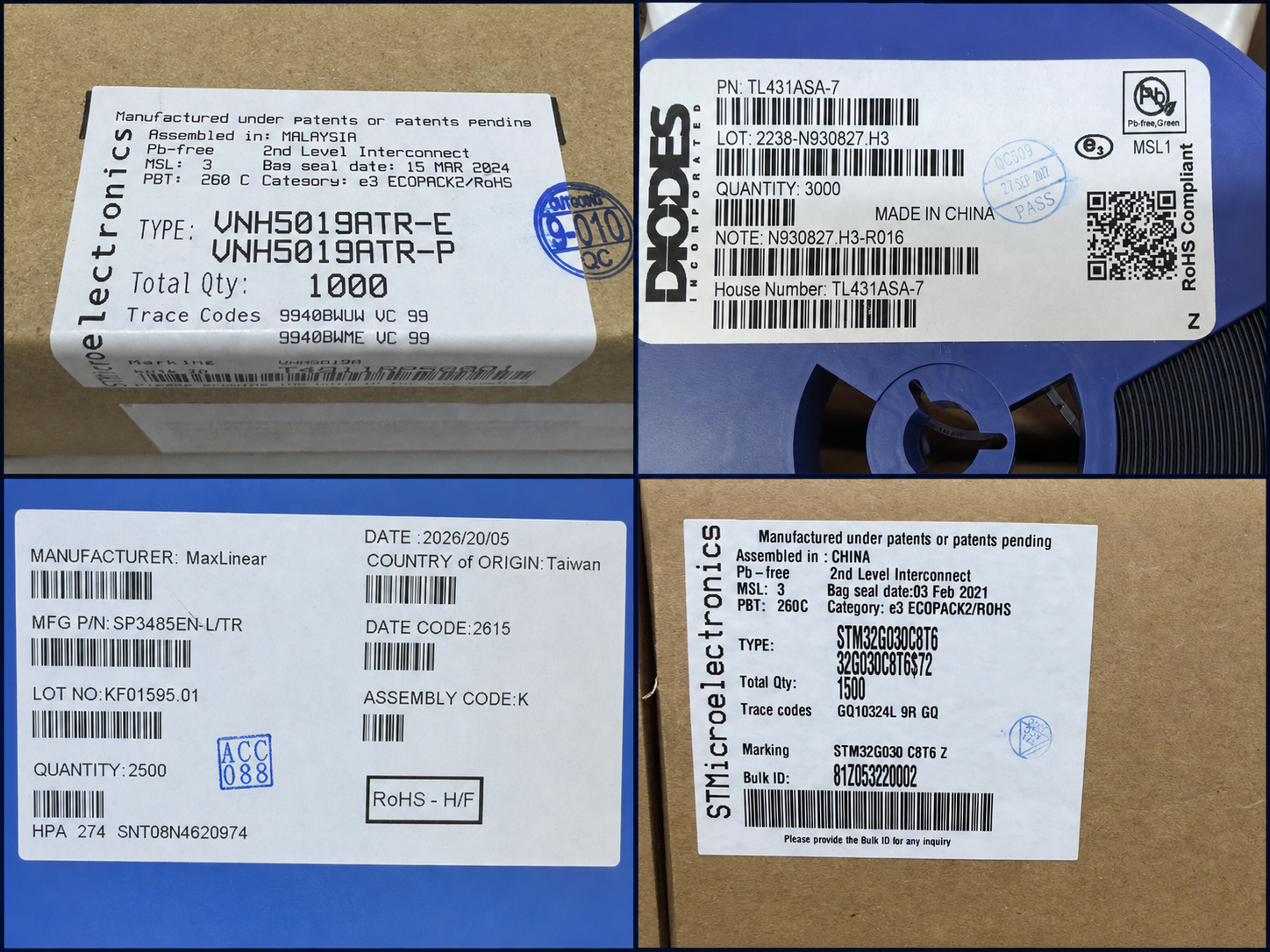
Check labels, packing, moisture and ESD protection, opening, damage or inconsistencies.
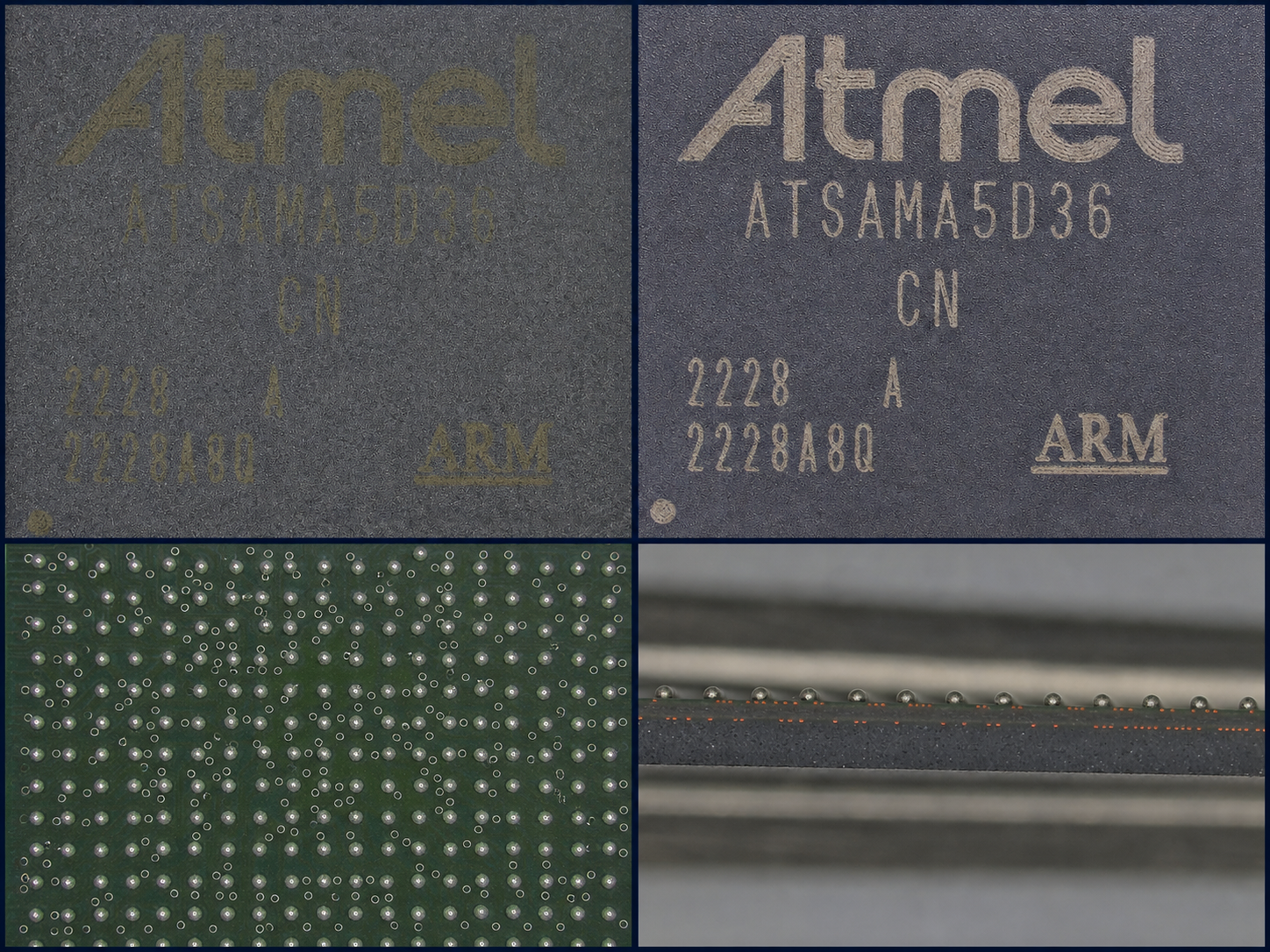
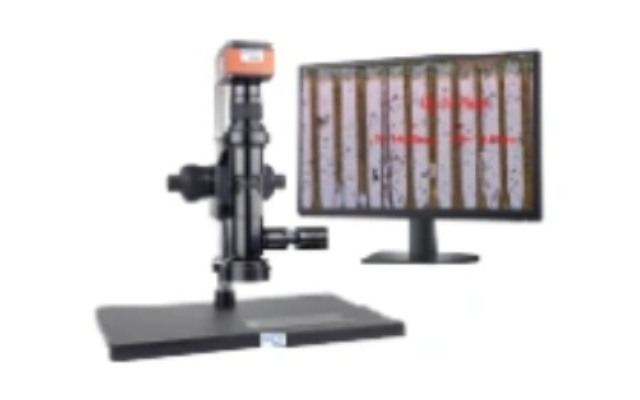
Magnified review of package, markings, leads, residues, resurfacing or reforming.
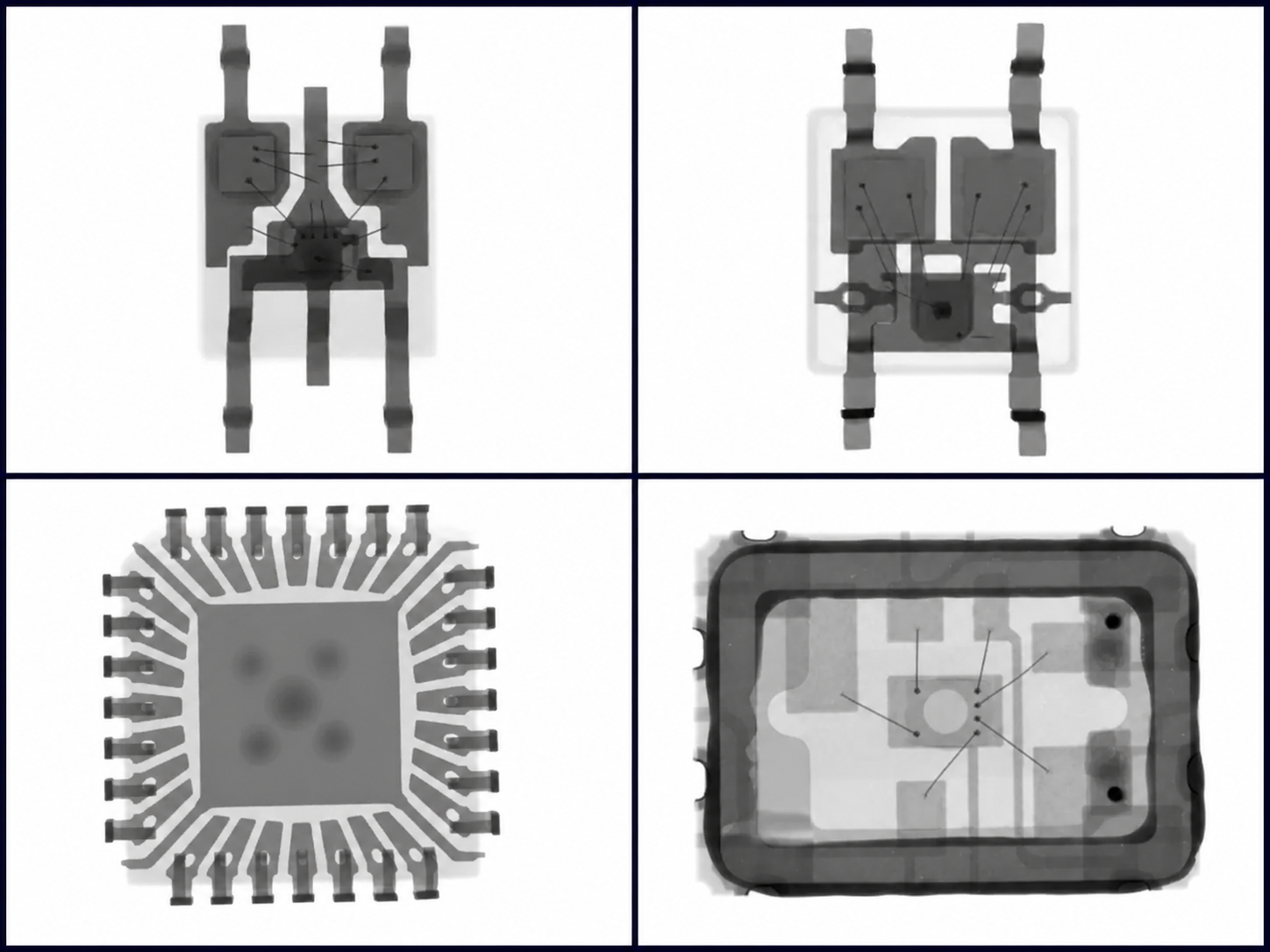
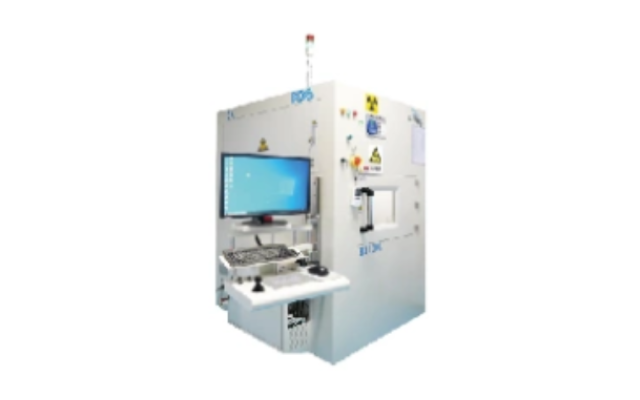
Observe die, bond wires, lead frame, voids and structural differences without opening.
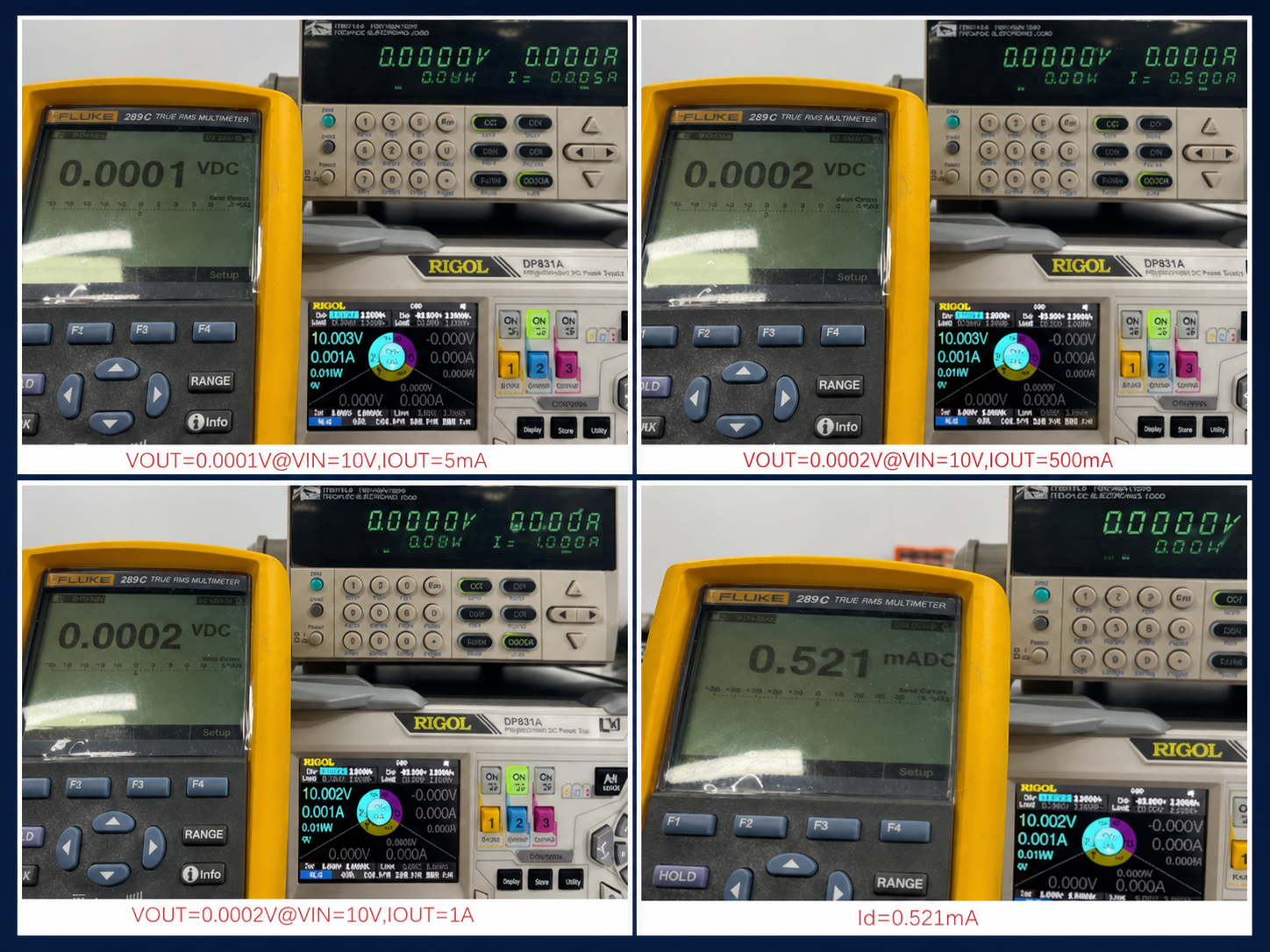
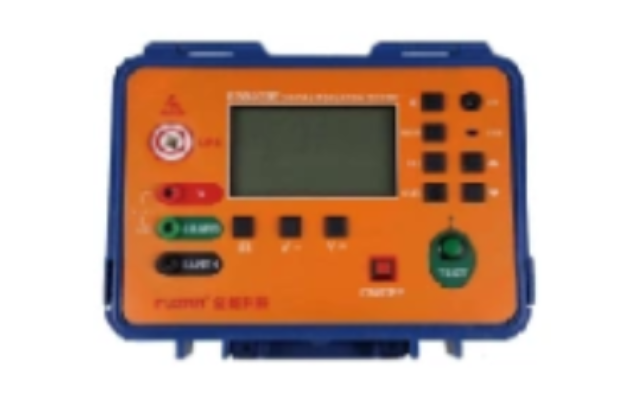
Open/short, parameters, functions or programming may be checked against agreed conditions.
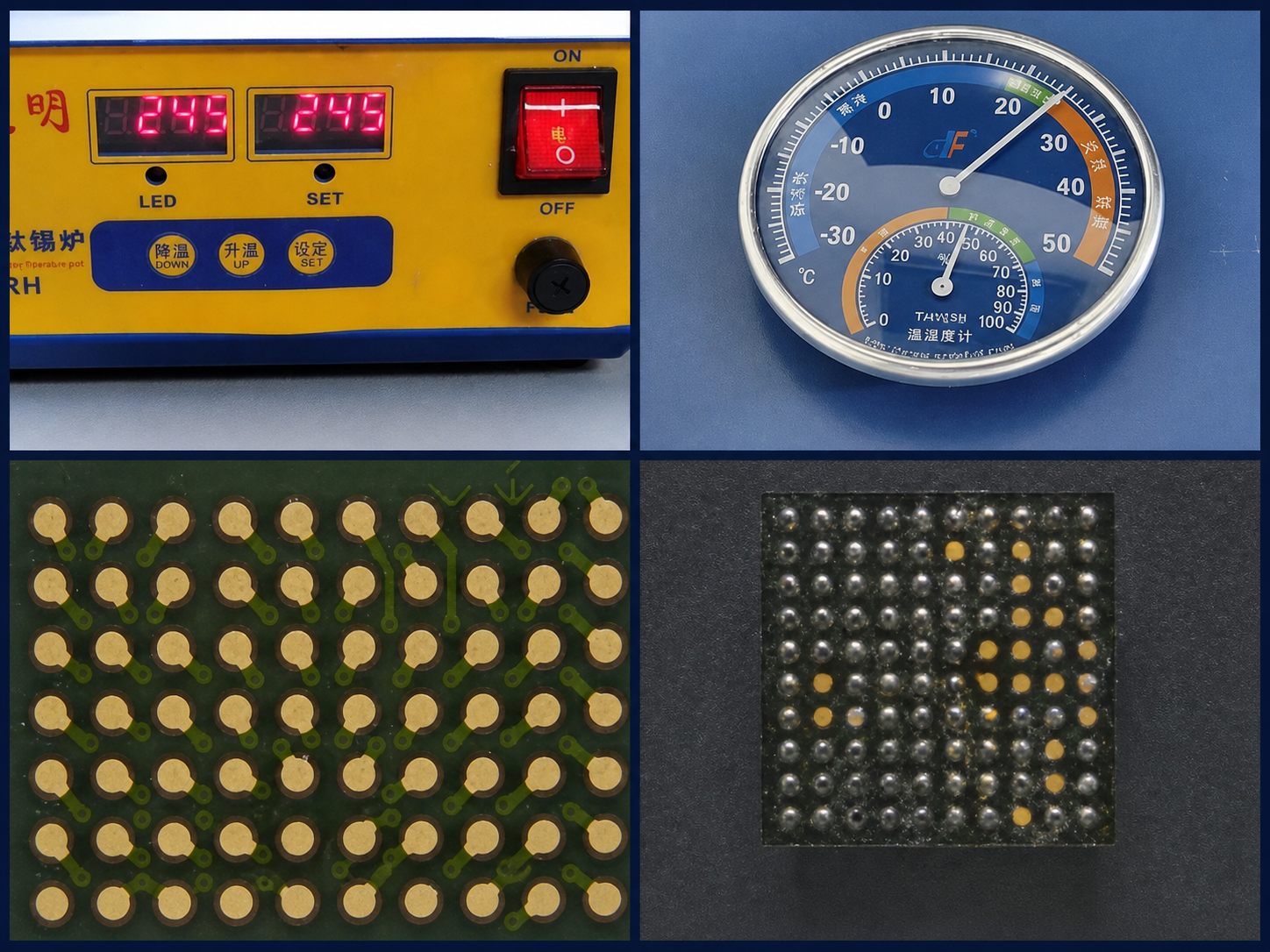
Assess terminal wetting, oxidation and solderability; material compliance is confirmed separately.
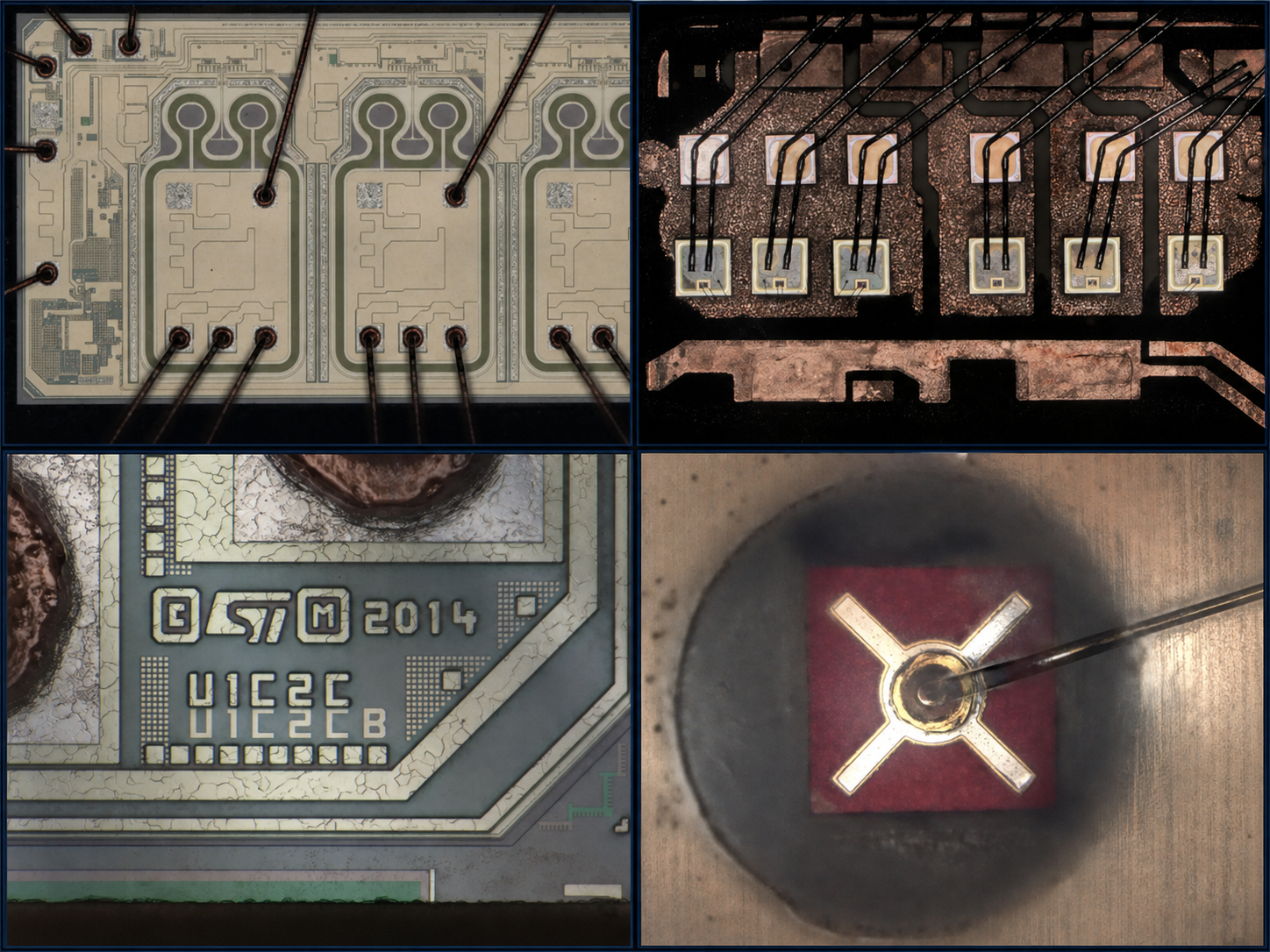
Examine die identification, internal structure or cross-sections as a destructive test.
METHODS
General methods shown do not imply equipment ownership or use on every order.

Magnified observation and image records of packaging, markings, leads and surfaces.
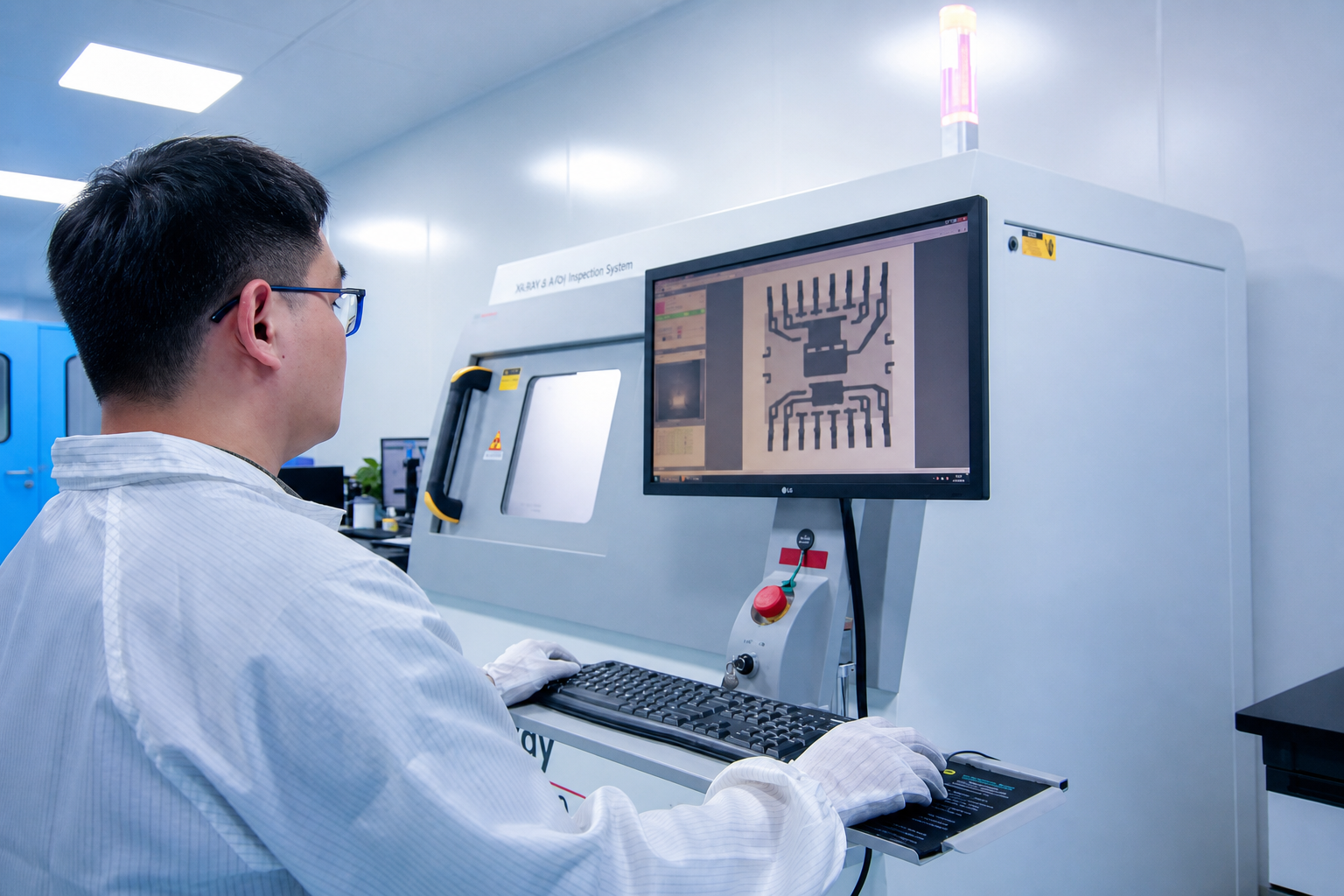
Compare internal structure, bonding and assembly without normally altering the exterior.

Verify agreed electrical parameters or functions using suitable fixtures.
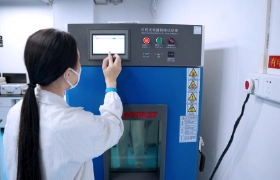
Acoustic, cross-section, environmental or material methods may be arranged by risk.
INSTRUMENTS
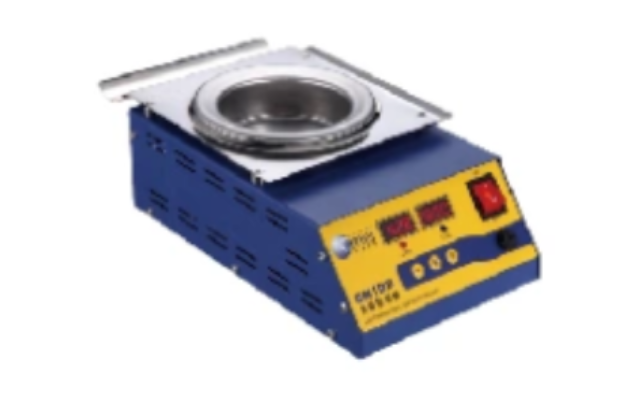
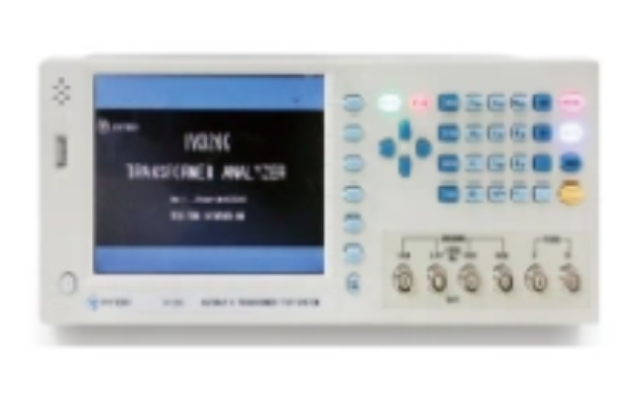
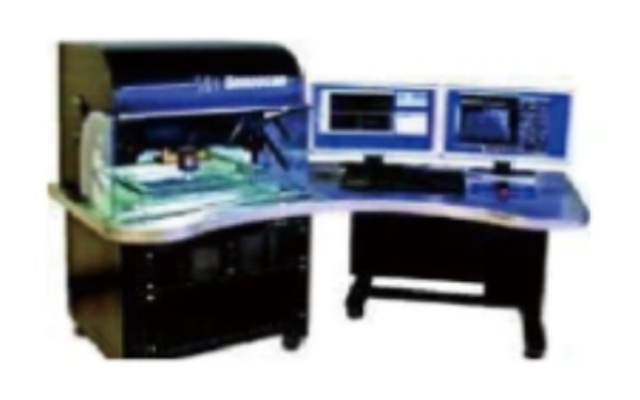
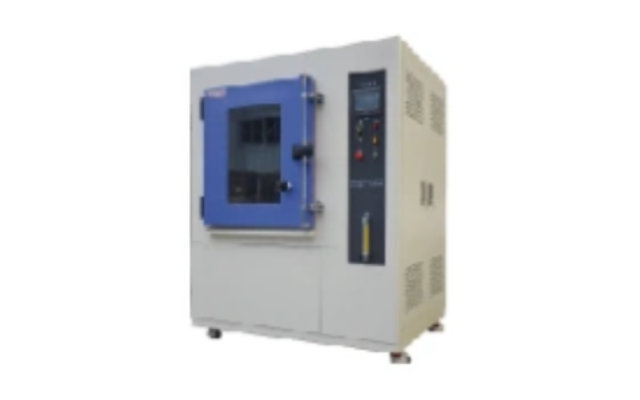
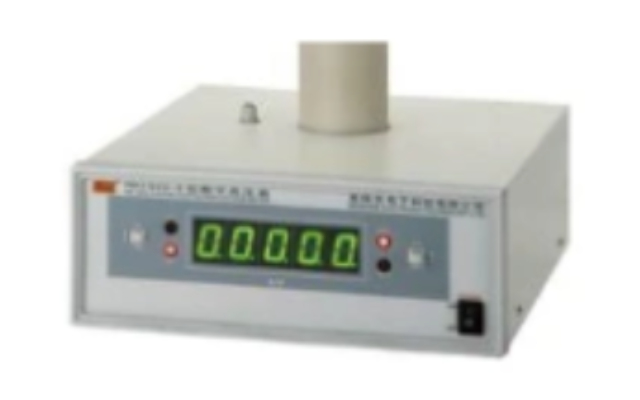
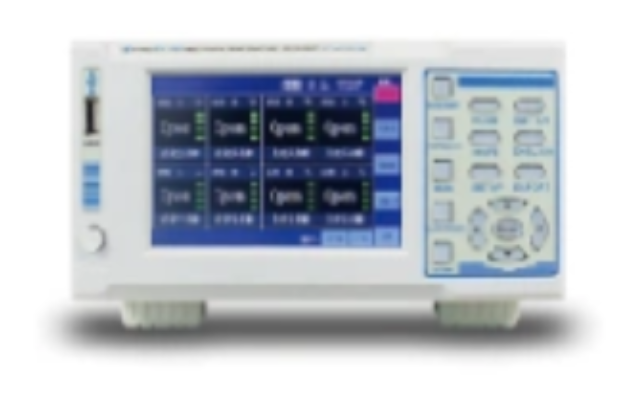
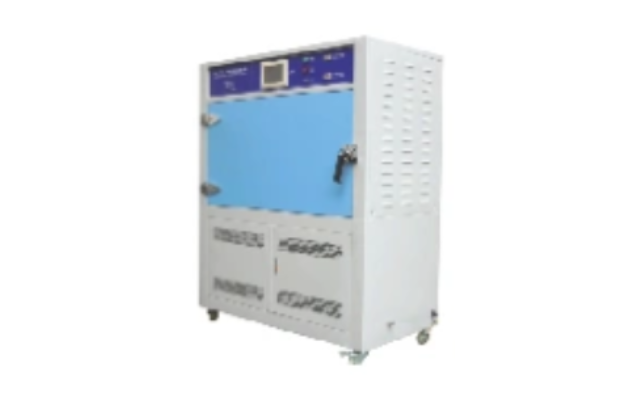
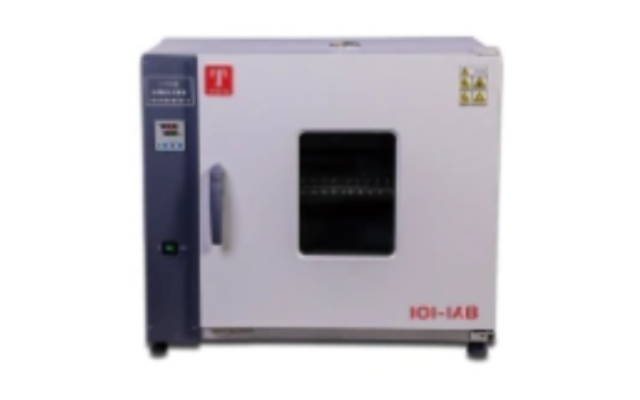
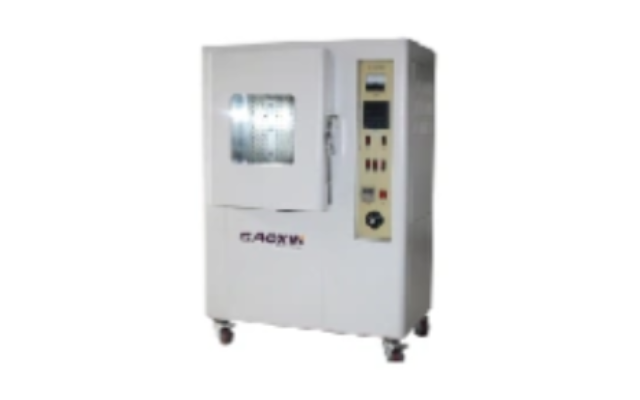
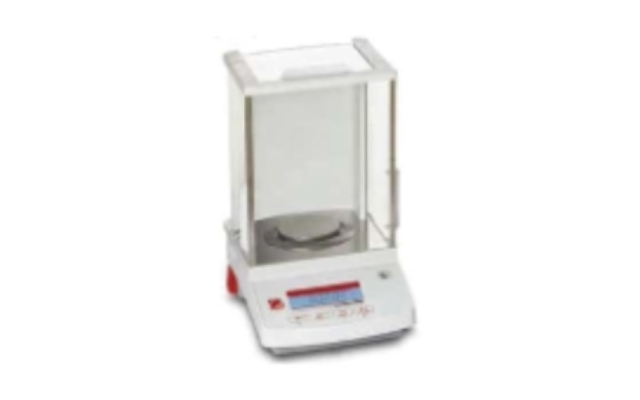
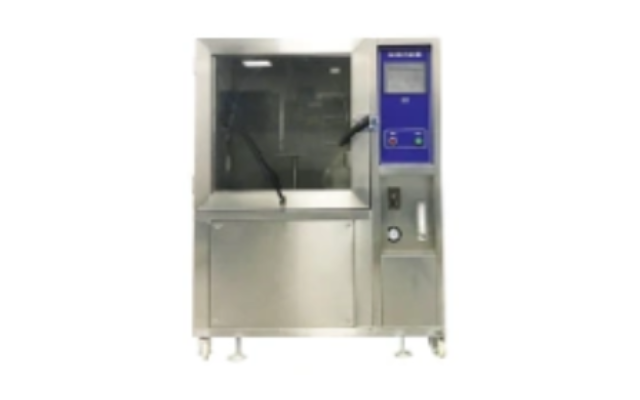
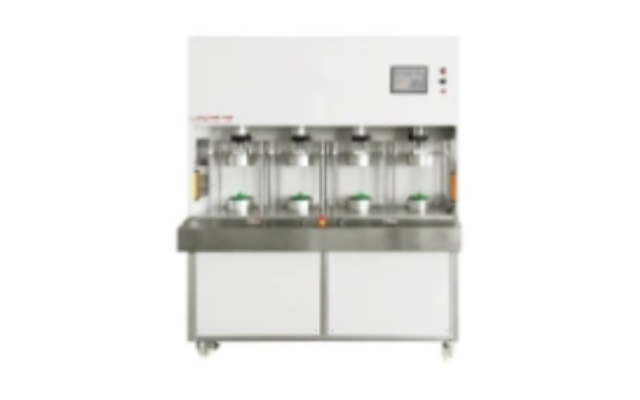
The laboratory equipment covers visual inspection, internal imaging, electrical performance, solderability and environmental reliability testing.

USE CASES
Risk-based review adds evidence when supply is uncertain, valuable or complex.
Submit parts, quantities, application and delivery needs to confirm sourcing and quality support.